North York
Streets of 1950s and 1960s bungalows sit next to condo towers along Yonge Street. A bungalow kitchen is often a closed room off the hall. Opening it to the living room is one of the first options worth pricing.
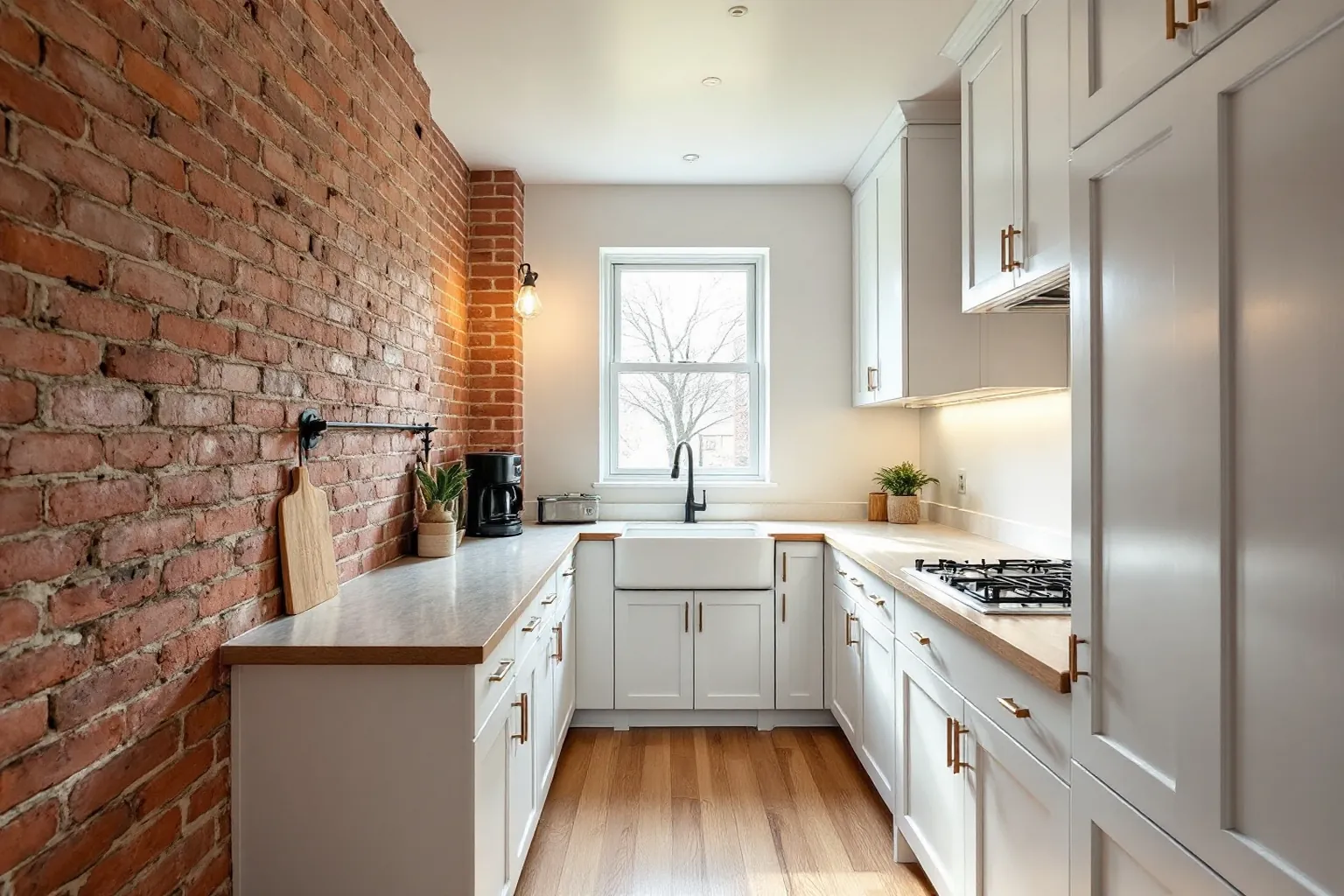
From a narrow galley in a brick semi to a condo kitchen with a tight elevator, Toronto kitchens come with their own puzzles. We plan around them before the old cabinets come off the wall.
It costs what four lines add up to: cabinets, counters, the trades, and permits. Toronto pushes three of those up more than most places, through older wiring, hard access for deliveries, and condo rules on work hours. After a free visit you get each line priced in writing, so the whole price is on paper before you say yes.
They are all part of the City of Toronto, so the same building department, Toronto Building, handles every permit. The houses are what change.
Streets of 1950s and 1960s bungalows sit next to condo towers along Yonge Street. A bungalow kitchen is often a closed room off the hall. Opening it to the living room is one of the first options worth pricing.
Many homes are bungalows and backsplits from the 1950s to the 1970s. Their kitchens are usually square and solid, with original panels and plumbing worth checking before new cabinets go in.
The closest part of Toronto to our Oakville office. Postwar bungalows near Islington and newer condos at Humber Bay mean both full gut jobs and compact condo kitchens.
In the older parts of the city, a kitchen often sits at the back of a narrow house, one wall shared with the neighbour. There is no room to move the window and little room to move the sink.
So the layout work is about inches. Deeper upper cabinets and a pantry wall where the back door used to swing add a lot of storage. A counter that runs right to the window adds more, and no pipe has to move.
Houses built before the 1950s may still have knob-and-tube wiring behind the plaster. A new kitchen needs its own circuits, so we check the panel and the old wiring on the first visit.
If your house went up before the mid-1950s, the pipe that brings water in from the street may be lead. The City says so on its lead and drinking water page.
Toronto owns the stretch from the watermain to the property line. The part from that line into your house is yours to look after.
Toronto Water will test a tap sample for lead at no charge, through one of its accredited labs. We suggest sending one in before the kitchen plan is final.
Most families fill their glasses and pots at the kitchen tap. If the result is high, a new supply line inside the house is easier to run while the kitchen walls are open.
None of these is a reason to wait. They are reasons to plan the order of work before the first day.
On many downtown streets there is no driveway. A bin that sits on the road needs a permit from the City, so we book it before demolition day.
Your building sets the hours for noise, books the service elevator and may want our insurance papers first. We send them to management early so the start date holds.
Narrow halls and tight stairs decide how big a cabinet box can be. We measure the path from the curb to the kitchen as well as the room itself.
| From our office | City Hall is about 32 km from our Oakville office in a straight line, along the QEW and the Gardiner. |
|---|---|
| Building permits | Toronto Building, for moved walls, moved plumbing and structural changes. New cabinets and counters alone do not need one. |
| Wiring | New kitchen circuits are filed with the Electrical Safety Authority (ESA) and inspected before the walls close. |
| Also covered here | North York, Scarborough and Etobicoke. |
Only as a refresh, not a remodel. A small budget can go a long way on paint for the cabinet doors, new hardware, a new tap and better lighting.
New cabinets, a new counter or any moved plumbing push a job past that. If the budget is firm, tell us at the visit and we will show you which changes give the most for it.
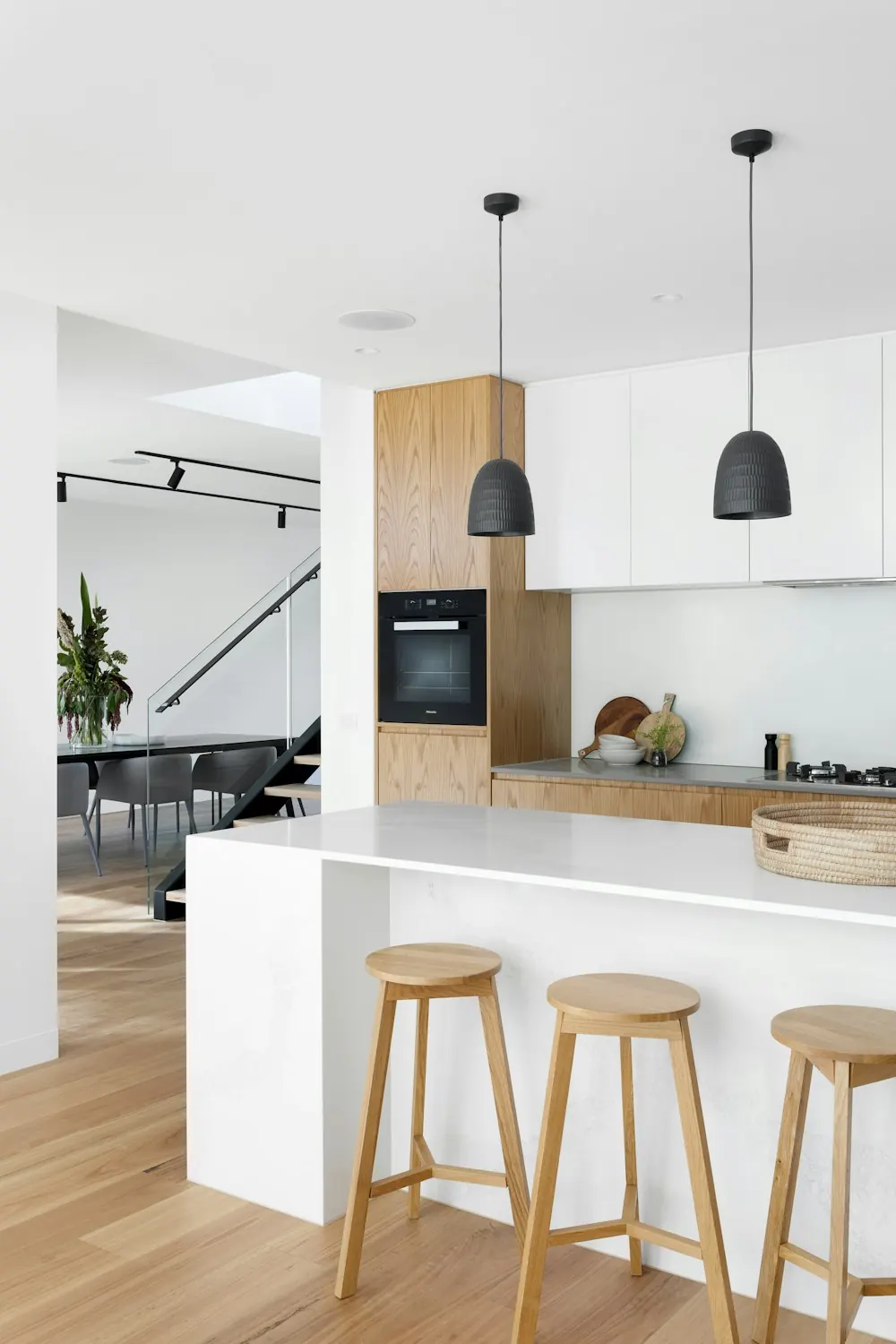
Every kitchen pictured here is a sample room for ideas. We bring photos of real Toronto kitchens to the site visit.
Sources we checked for this page